
The Family Names We Didn’t Choose
When a Name Isn’t Truly Yours
For most people today, a surname is a proud family marker, passed down through generations. But for many African Americans, the names we carry were not chosen by our ancestors — they were given, taken, or forced upon them in the aftermath of slavery.
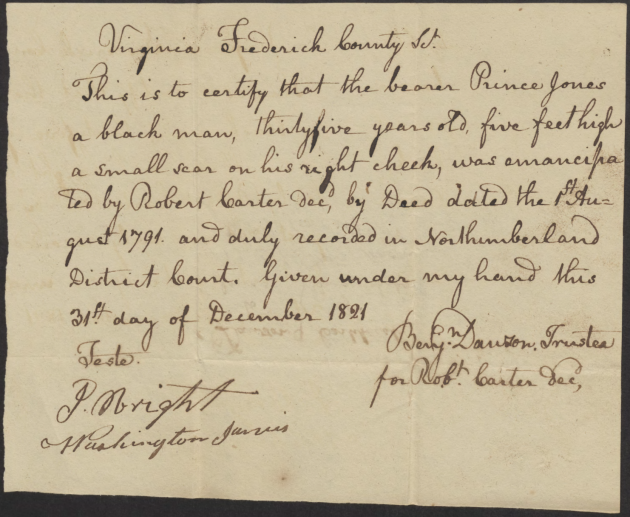
After emancipation in 1865, newly freed African Americans faced a strange new challenge: deciding what to call themselves in a society that had long denied their personhood. Some chose the surname of their former enslaver, either because it was the name they had been known by in legal records or as a form of protection in a dangerous, uncertain time. Others chose entirely new names — Biblical names, names of admired leaders like Lincoln or Washington, or place-based names that reflected where they had lived or where they wanted to belong.
Why Surnames Were So Complex
The decision was rarely simple. A name could connect you to your immediate family — or sever you from it. In some cases, multiple branches of the same family chose different surnames after emancipation, making it more difficult for descendants today to trace them.
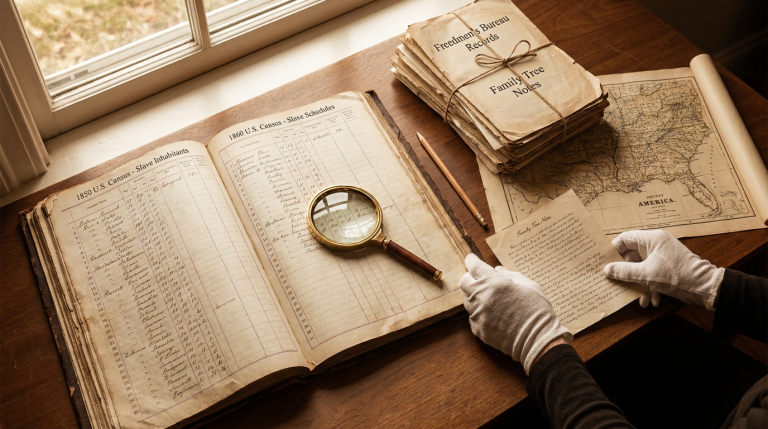
Records from the Freedmen’s Bureau, post-war censuses, and local court documents reveal just how varied naming choices were. One formerly enslaved man might take on the surname of his enslaver, while his brother — sold to a different plantation years earlier — might adopt the surname of an entirely different family.
Tracking the Trail of a Name
For genealogists, surnames are both a blessing and a curse. They are a vital clue, but they can also be misleading if taken at face value. That’s why serious African American genealogy research doesn’t stop at the name — it follows the geography, relationships, and community ties that reveal the bigger story.
Historical sources that can help connect the dots include:
- Plantation inventories and wills — sometimes listing enslaved people by first name alongside the enslaver’s surname.
- Freedmen’s Bureau labor contracts — showing early post-emancipation employment and surname usage.
- Church membership rolls — often the earliest consistent record of a family’s chosen name.
Names as Acts of Resistance
While some took names from enslavers, others used naming as a form of resistance. Families might adopt names that connected them to Africa, referenced freedom, or reflected aspirations. The surname Freeman, for example, appears frequently in post-emancipation records, often among people who had no legal ties to that name before freedom.
Why It Matters for Descendants Today
Understanding the origins of your family’s surname can open the door to an entire network of connections — to specific plantations, to migration routes after emancipation, and even to the locations of relatives you never knew existed.
Your last name is not just a label — it’s a breadcrumb trail. If you’ve hit a wall in your family research, I can help you go beyond the name and uncover the deeper story of where you come from.