
African American Genealogy Tips
Researching African American genealogy can be challenging due to gaps in records caused by slavery, segregation, and other historical factors, but there are strategies and resources that can help overcome these obstacles. Here’s a list of strategies tailored for African American genealogy research:
1. Start with Oral History
- Interview Relatives: Begin by talking to older family members to gather names, locations, dates, and any other details about ancestors. Use the Family History Questionnaire
- Family Stories: Collect family stories that may include hints about migration patterns, community connections, or notable events.
2. Use Census Records
- 1870 Census: This is the first census where formerly enslaved African Americans were listed by name.
- Census Tracking: Trace ancestors in earlier census records and work backward. Look for clues like neighbors or people of similar surnames that may lead to earlier records. Use the Census Checklist
3. Explore Freedmen’s Bureau Records
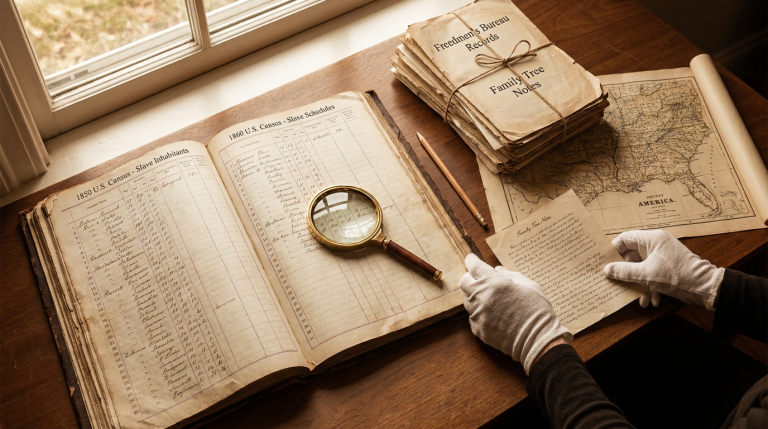
- The Freedmen’s Bureau (1865-1872) provided assistance to freed slaves, and its records include marriage certificates, labor contracts, and other important documents.
- Freedman’s Bank Records: These contain information about formerly enslaved individuals and their families, often providing names of parents and siblings.
4. Look at Probate and Wills
- Slaveholders’ Wills: In many cases, enslaved people were mentioned in wills and estate records, sometimes by name, especially during inheritance or sale.
- Local Courthouse Records: Check local courthouse records for wills, deeds, and other documents that might reference enslaved ancestors.
5. Examine Plantation and Slaveholder Records
- Plantation Records: Many large plantations kept detailed records of the enslaved people they owned. Look for archives in local libraries or historical societies.
- Search for Slaveholders’ Descendants: Sometimes, descendants of slaveholders have researched and documented the people enslaved by their ancestors.
6. Use Military Records
- Civil War Service: Many African Americans served in the Union Army during the Civil War, especially in the United States Colored Troops (USCT). Their service records can provide information about their lives.
- Pension Records: If an ancestor served in the military, pension records may include detailed family information.
7. Examine Church and Community Records
- Black Churches: Many African American churches kept birth, marriage, death, and membership records. Churches are often critical sources for identifying ancestors.
- Fraternal Organizations: Groups like the Prince Hall Masons, Eastern Star, and other African American fraternities/sororities often maintained records of their members.
8. Migration and Immigration Records
- Great Migration: Track movement from the rural South to urban areas in the North and West during the Great Migration (1916-1970). Look for city directories, employment records, and more.
- Immigration Records: If researching ancestors who immigrated from Africa or the Caribbean, search immigration and naturalization records.
9. Check African American Newspapers
- Obituaries and Announcements: These often include names of extended family members, places of birth, and other valuable information.
- Historical Black Newspapers: Many major cities had African American newspapers that published personal notices, marriage announcements, and obituaries.
10. Utilize DNA Testing
- Genetic Testing: DNA testing can help connect with distant relatives, confirm ancestry origins, and provide clues to surnames or regions in Africa.
- Use African American DNA Groups: Join genealogy groups that focus on African American heritage to share findings and collaborate with others.
- Utilize Gedmatch: Upload your DNA results to Gedmatch to use the tools they have to analyse your results. The One to Many search will allow you to find DNA matches that were tested with other companies than the one you tested with.
11. Research Free People of Color
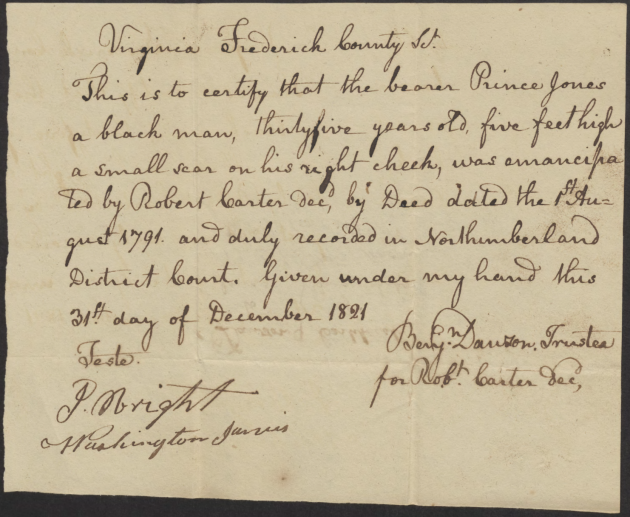
- Free People of Color Records: If your ancestors were free before the Civil War, look for special records of free African Americans, such as manumission papers and free black registers.
- Quaker and Abolitionist Records: Quakers and abolitionist groups kept records of free black families and sometimes recorded enslaved individuals they assisted in escaping.
12. Explore Local Historical Societies and Archives
- Many local libraries and historical societies hold special collections related to African American communities, including oral histories, photographs, and private papers.
13. Online Databases and Resources
- Ancestry.com and FamilySearch.org: These major genealogy sites have specialized databases for African American records, including slave schedules, Freedmen’s Bureau records, and military files.
- African American Genealogy Blogs and Forums: Join online communities and resources like AfriGeneas, where African Americans share tips and discoveries.
By combining these strategies and being persistent, African Americans can uncover valuable pieces of their family history, even in the face of limited records from slavery and segregation eras.