The Missing Children of Slavery
The Cruelest Separation
One of the most devastating realities of American slavery was the forced separation of families — especially children from their parents. Enslaved children could be sold at any age, often without warning, to settle debts or increase profit for enslavers.
This wasn’t just a tragedy in the moment — it had ripple effects for generations. The loss of family connections meant lost history, broken inheritance lines, and genealogical gaps that descendants still struggle to close today.
The Numbers We Don’t Talk About
Historians estimate that one-third of enslaved children in the antebellum South experienced separation from one or both parents through sale. These sales were meticulously documented — not for compassion, but as property transactions.
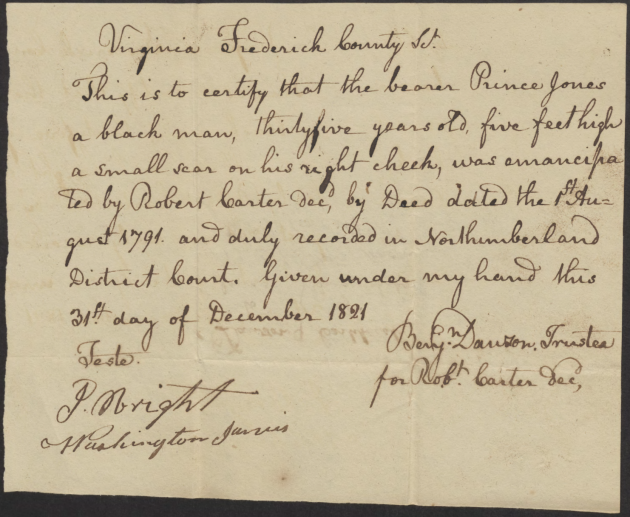
Bills of sale often list a child’s name, age, and price, with chilling precision: “Negro girl, age 7, $350.” These documents survive in courthouse archives, private collections, and plantation papers.
How Parents Fought Back
Enslaved parents often used oral traditions, nicknames, and place-based stories to help their children remember where they came from in the hope they might reunite someday. After emancipation, many parents placed “Information Wanted” ads in Black newspapers, pleading for news of missing sons and daughters.
These ads are an emotional but powerful genealogical source, often including names, ages, places of last contact, and relationships.
Following the Paper Trail
Finding evidence of these lost children requires piecing together multiple sources:
- Bills of sale & probate records — documenting the child as property.
- Newspaper “Information Wanted” ads — post-war attempts at reunion.
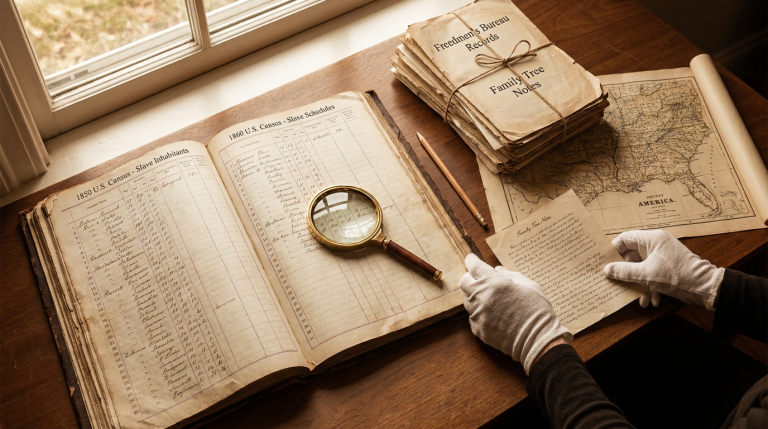
- Freedmen’s Bureau correspondence — recording appeals for help in finding family.
While heartbreaking, these records can reconnect descendants to missing branches of their family tree.
Why It Still Matters
When we restore the names and stories of these missing children, we do more than preserve history — we return a piece of identity to their descendants. It’s one of the most profound gifts genealogy can give.
If there’s a gap in your family’s story, it may trace back to one of these separations. I can help you search the archives, newspapers, and records that might hold the key to finding your missing ancestors.